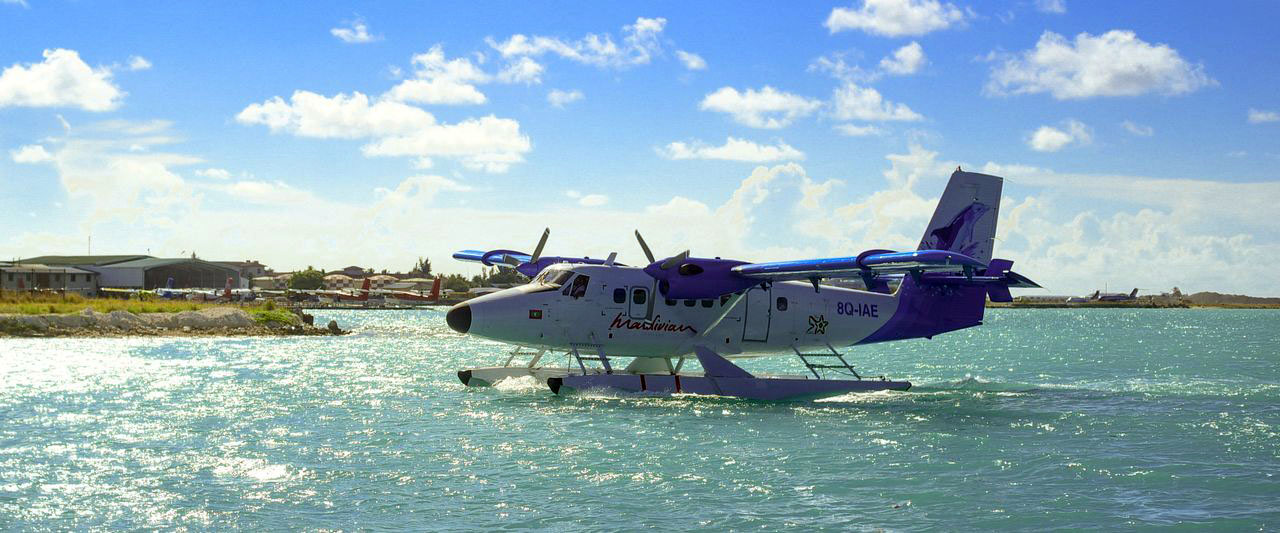
Flying home after a dive trip takes a little extra planning. After scuba diving, your body may still contain excess dissolved inert gas, and flying too soon can increase decompression stress. How long you should wait depends on the type and amount of diving you've done.
How long should you wait to fly after scuba diving?
Divers Alert Network (DAN) provides consensus recommendations for flying after recreational diving.
Flying After Diving: Quick Reference
- Single no-decompression dive: Wait at least 12 hours
- Multiple dives per day or multiple days of diving: Wait at least 18 hours
- Diving requiring compulsory decompression, or using heliox or trimix: Wait substantially longer than 18 hours
These are minimum recommended surface intervals. DAN also notes limitations in the research behind the guidelines, including that experimental trials were conducted with dry, resting volunteers rather than divers exercising and immersed in water.
You can read the complete DAN Guidelines for Flying After Diving .
Why is flying after diving a concern?
When you scuba dive, increased underwater pressure causes your body to absorb additional inert gas, primarily nitrogen when diving on air.
As you ascend and return to the surface, your body gradually eliminates that excess gas. The process doesn't end as soon as you get out of the water.
Commercial aircraft cabins are pressurized, but cabin pressure is still lower than atmospheric pressure at sea level. That additional reduction in pressure after diving is why an adequate surface interval before flying is important.

One dive vs. multiple days of diving
The recommended interval depends on the diving you've done.
After a single no-decompression dive, DAN recommends a minimum surface interval of 12 hours before flying.
For multi-day repetitive diving, DAN recommends a minimum surface interval of 18 hours. This is particularly important on dive vacations, where you may be diving several times a day over multiple days. When planning your trip, work backward from your departure flight and make sure your final dive leaves an appropriate preflight surface interval.
What about the 24-hour rule?
You've probably heard divers say, "Don't fly for 24 hours after diving."
Waiting 24 hours is a simple, conservative approach, but it isn't DAN's minimum recommendation for every recreational diving situation.
DAN recommends a minimum of 12 hours after a single no-decompression dive and 18 hours after multiple dives per day or multiple days of diving. Longer surface intervals further reduce the risk of decompression sickness (DCS).
For dive-trip planning, leaving 24 hours between your final dive and flight is a simple way to build additional time beyond those minimum recommendations.
Does nitrox change how long you should wait before flying?
No. Using nitrox does not shorten DAN's recommended preflight surface intervals.
DAN's flying-after-diving guidelines considered recreational no-decompression diving using both air and nitrox, and do not provide a shorter preflight surface interval specifically for nitrox.
What if you feel unwell before your flight?
If you're experiencing signs or symptoms that could be consistent with decompression illness, don't board your scheduled flight. DAN advises seeking medical evaluation rather than flying. If you believe you may have a diving-related injury, seek appropriate medical assistance or contact DAN for guidance.
Plan your last dive before your trip starts

The easiest way to avoid a flying-after-diving problem is to account for your departure flight while you're planning the trip.
Know when your flight leaves, work backward, and make sure your planned final dive allows at least the appropriate recommended surface interval.
Your final non-diving day doesn't have to be wasted. Use it to explore the destination above water, dry your gear, pack, relax and enjoy one last day before heading home.
Plan Better Dive Trips with PRO
TheScubaDirectory PRO helps you plan your dive trip from start to finish with monthly Dive Briefs, Destination Insights, the Ultimate Scuba Vacation Planner, and enhanced Color Correction access.
Explore PRO