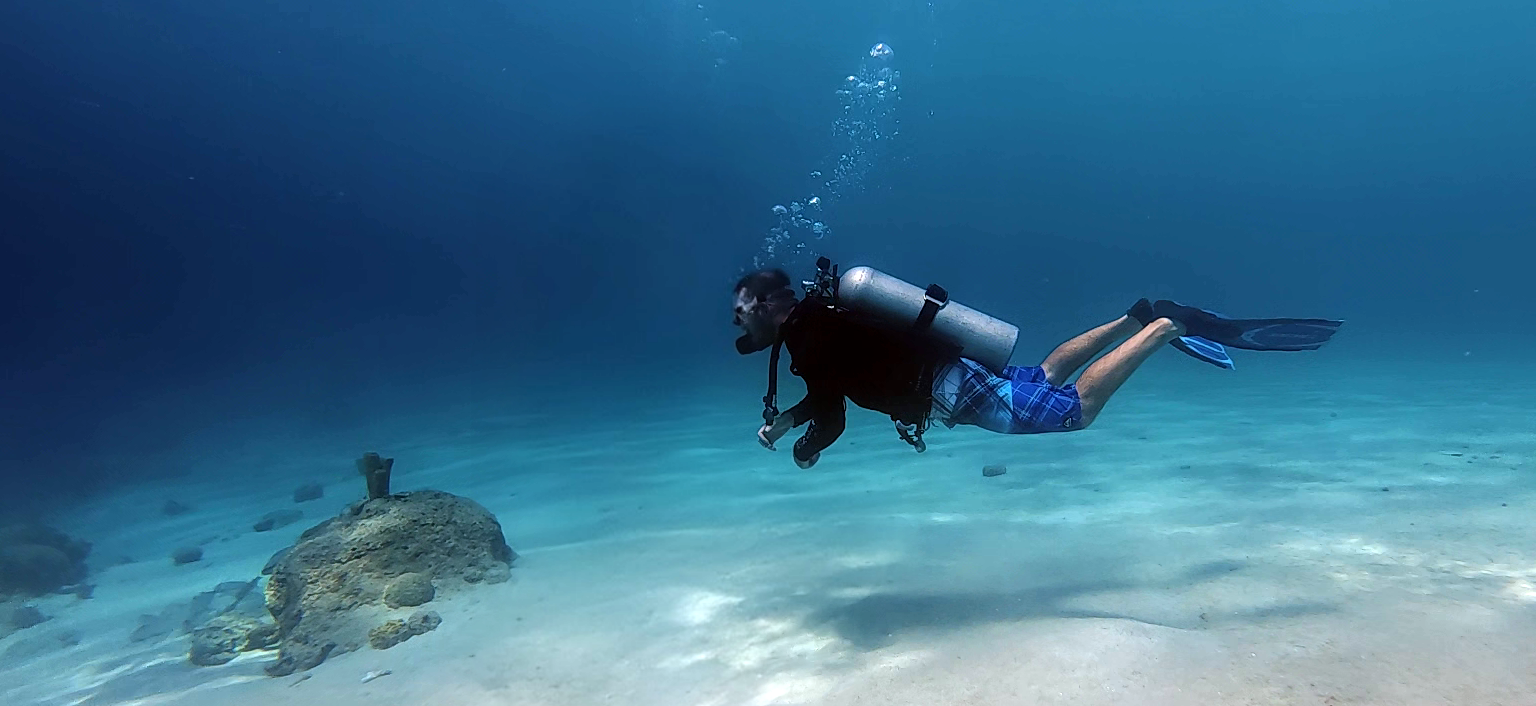
This post is for divers who are newly diagnosed, considering diving with diabetes, or simply looking for real world experiences.
When I was diagnosed with Type 1 diabetes in the spring of 2025, it came as a pretty big shock. Although my grandfather had Type 1 diabetes, I had no idea it could just happen to me out of the blue. I was a fit 36-year-old, living a healthy lifestyle, and completely unaware that Type 1 diabetes is an autoimmune disease that can happen to anyone.
As a passionate diver, one of my first questions was, of course:
“Can I still go scuba diving?”
When I started looking for answers, I was surprised by how little real-world, first-hand information I could find online. That is the goal of this post: to share my personal experience scuba diving as a Type 1 diabetic. As I continue diving and learning to live with this disease, I plan to keep documenting my experiences to help others in a similar situation.
What I share here should be treated as reference only, not as a guide to follow. Every diabetic is different, and each person needs to run their own tests and understand how their body and glucose levels respond before, during, and after scuba diving.
And of course, always consult your doctor and follow medical advice before scuba diving with diabetes.
A bit about me for context
I am 5'9", 165 lbs, exercise regularly, and eat a fairly clean diet. Since being diagnosed with diabetes, I have reduced my overall carbohydrate intake, but I still eat carbs and manually inject insulin for the majority of my three main meals each day.
I have been scuba diving for over 20 years, in environments ranging from cold lakes to tropical oceans, and I am a PADI Divemaster.
Plan Better Dive Trips with PRO
TheScubaDirectory PRO helps divers decide where to dive, when to go, and how to plan better trips with monthly dive briefs, destination insights, trip planning tools, and enhanced Color Correction access.
Explore PROMedical guidance vs real world diving
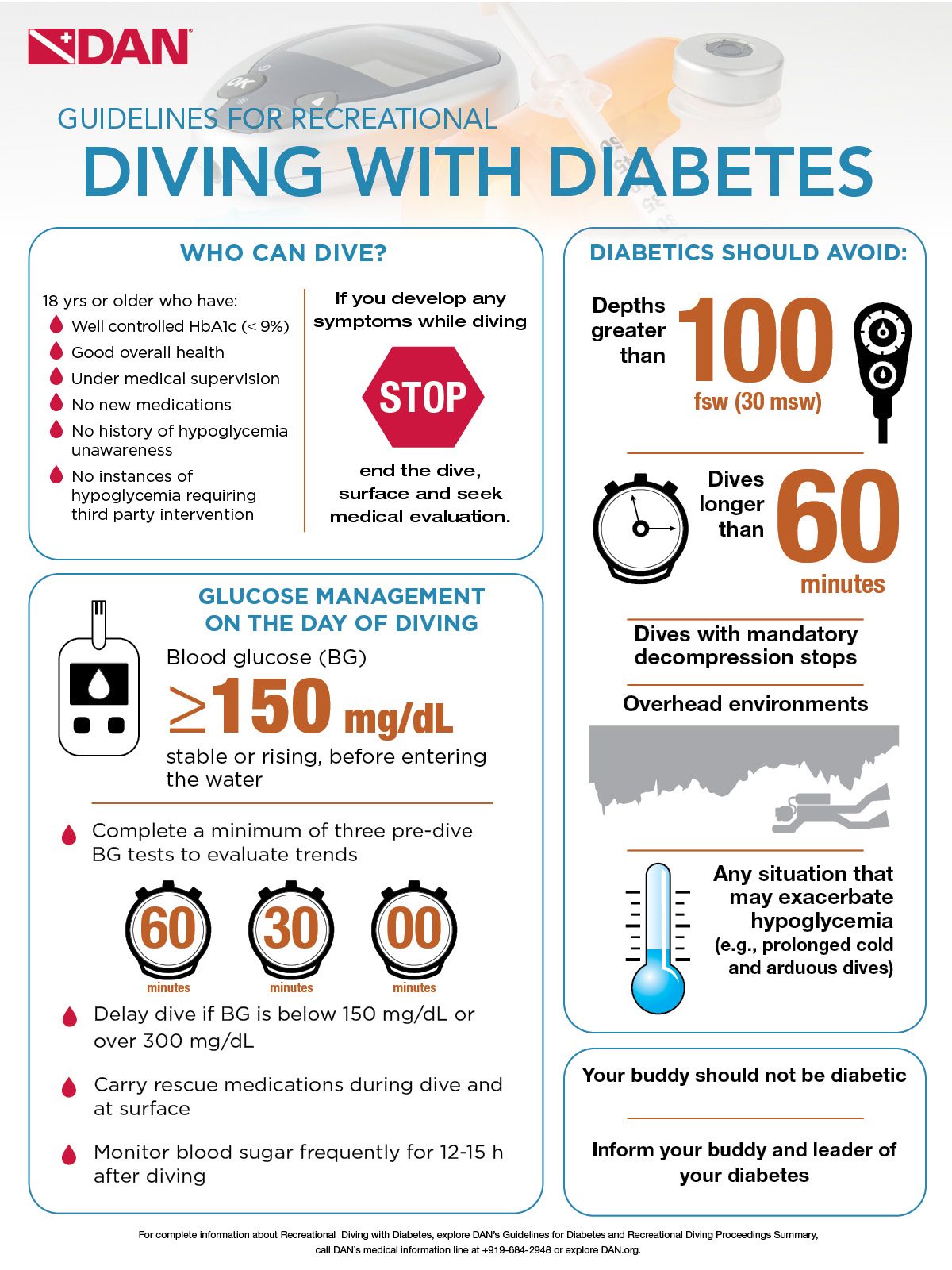
I found DAN’s article on diabetes and recreational diving helpful as a starting point: https://dan.org/health-medicine/health-resource/health-safety-guidelines/guidelines-for-diabetes-and-recreational-diving/
The information provides solid baseline guidelines for diabetics who are considering diving. However, if I have learned anything about this disease, it is that one size does not fit all. Every diabetic is different.
For example, DAN recommends starting a dive with a glucose level of at least 8.3 mmol/L (150 mg/dL). While I think this is a very safe recommendation, I personally found it difficult and sometimes unrealistic to plan my entire day around maintaining that level leading up to a dive.
Instead, I found it more practical to adjust with simple carbohydrates shortly before a dive, based on the dive profile and when I had last injected insulin or eaten. I also started with shorter dives to understand how my body reacted, then gradually increased dive times as I gained confidence.
When diving, you are often away from home, possibly in a different time zone, eating different foods, and following a variable schedule. In those conditions, trying to hit an exact glucose number at a specific time can be challenging.
Being in water also had a noticeable impact on my blood sugar. Both time spent in the pool and ocean consistently lowered my glucose levels.
Using a CGM while diving
I use the FreeStyle Libre 2 glucose monitor. According to Abbott, the sensor is water resistant up to 1 meter for no more than 30 minutes.
Despite this limitation, I found several online forums where divers reported that their sensors continued to work after diving. Based on that, I decided to give it a try.
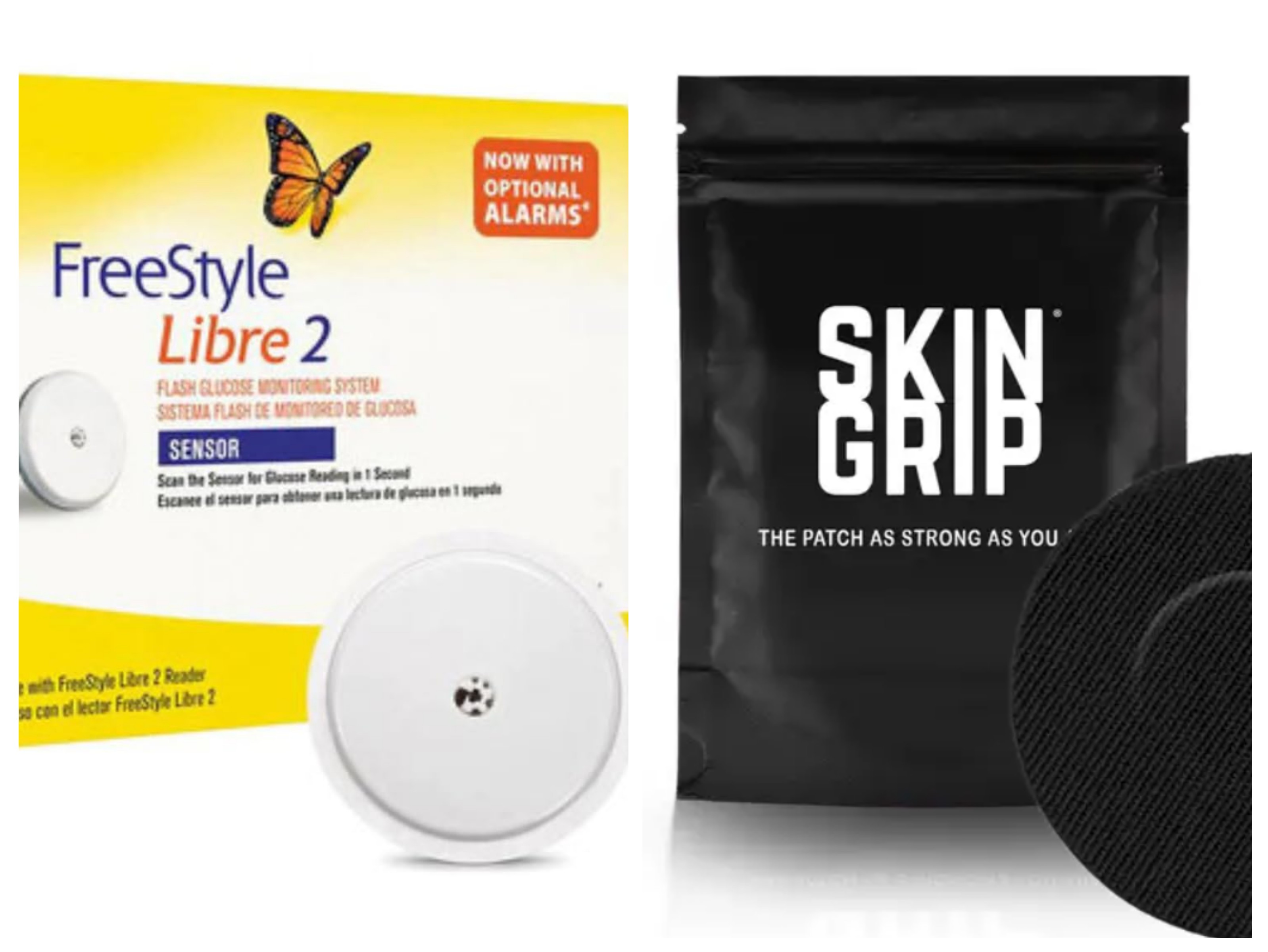
Over my two week trip, time in the pool, ocean, eight dives, and multiple snorkeling sessions, my sensor continued to work without issue. I confirmed accuracy multiple times using finger prick tests, and the readings were consistent. I used Skin Grip CGM patches over the sensor for added security.
My in-water precautions
Before and after each dive, I checked my glucose levels. I carried glucose tablets in my BCD pocket and made sure my dive buddies were aware.
During pre-dive checks, I explained:
- Where my glucose tablets were located
- The hand signal I would use to indicate low blood sugar
- My glucose level before entering the water
My personal dive checklist
- Glucose tablets x4 in a waterproof bag in BCD pocket
- Finger prick test kit in dry bag with towel to dry hands
- CGM sensor and patch checked before each dive
- Jelly beans packed in dive bag to bring sugar up before dive
Dive conditions
The following dives were completed in Curaçao in warm water and easy conditions. I wore only a rash guard and board shorts. These dives are shared as personal observations, not recommendations.
Dive 1
Dive 2
This dive was planned for shortly after lunch.
I typically inject insulin into my abdomen and see peak activity within 2 to 2.5 hours. When injecting into my thigh, the peak is usually delayed to around 3 to 3.5 hours. I have also noticed that thigh injections tend to act faster if I exercise immediately after injecting.
Because of this, I decided to inject insulin into my thigh before lunch, with the plan to dive immediately after eating. My thinking was that the physical leg movement during the dive would help the insulin act more quickly.
Looking back at the data, it’s clear my assumption was off. My glucose rose sharply during the dive, most likely because the insulin hadn’t started working effectively yet. I took a correction injection once I was out of the water, and I’m filing this one under “lessons learned”.
Dive 3
Dive 4
Dive 5
Going forward
Looking back across these dives, the biggest takeaway for me is that diving with Type 1 diabetes is less about hitting perfect numbers and more about preparation, awareness, and conservative decision making. Small adjustments, clear communication with dive buddies, and starting cautiously made a difference.
If you are a diver living with Type 1 diabetes, you are not alone. With preparation, self awareness, and conservative decision making, scuba diving can still be part of your life.