Welcome to the April 2026 edition of TheScubaDirectory newsletter, where we explore the incredible world beneath the surface of the ocean.
In this month's edition: - TheScubaDirectory PRO
- April Dive Brief
- 40,000 Baby Corals Planted on the Reef
- DEEP Picks Florida Keys for First Underwater Habitat
- Who Knew Anemones Needed Naps?
|
|
|
|---|
|
New on TheScubaDirectory | 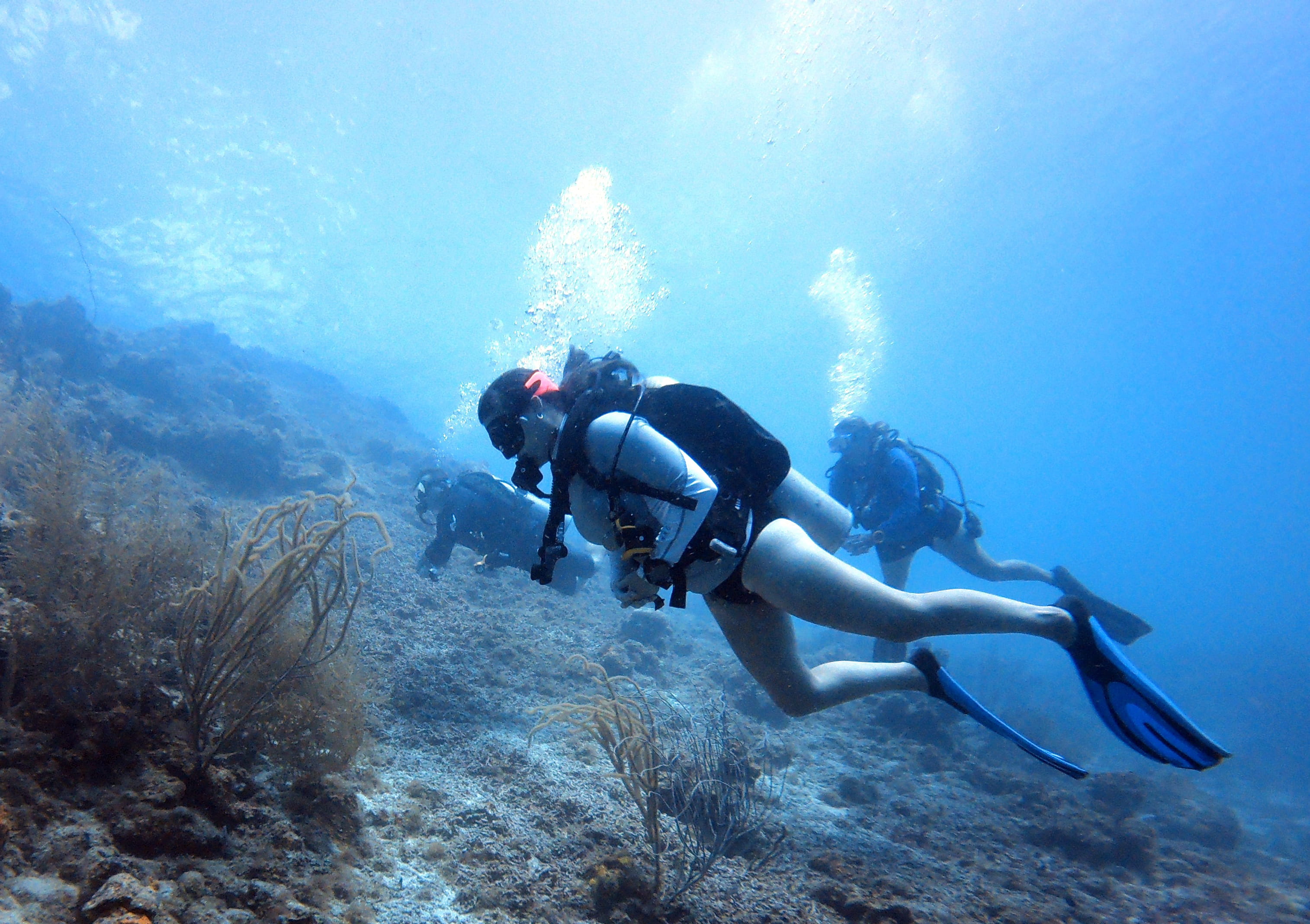 | Now available: monthly dive briefs and planning tools for better trip planning | We launched something new to help you plan better dive trips.
TheScubaDirectory PRO
Get monthly dive briefs, planning tools, and insights to help you decide where to dive, when to go, and how to plan your next trip.
The April Dive Brief is now available inside PRO. You’ll see a preview below.
👉 Explore PRO → | April Dive Brief (Preview) | April is a shoulder-season sweet spot. Conditions remain strong across many regions, with fewer crowds and excellent visibility in key destinations. Best bets right now: - Bonaire / Curaçao: calm conditions, great visibility, and reliable shore diving
- Cozumel: consistent drift diving with strong visibility
- Belize: warm water, great visibility, and solid conditions across the reef
Spring break crowds begin to ease this month, making it a great time to travel before summer demand picks up.
Want the full April Dive Brief, including where to avoid, timing insights, and planning tips?
Get the full April Dive Brief → | Industry News | 40,000 Baby Corals Planted on the Reef | 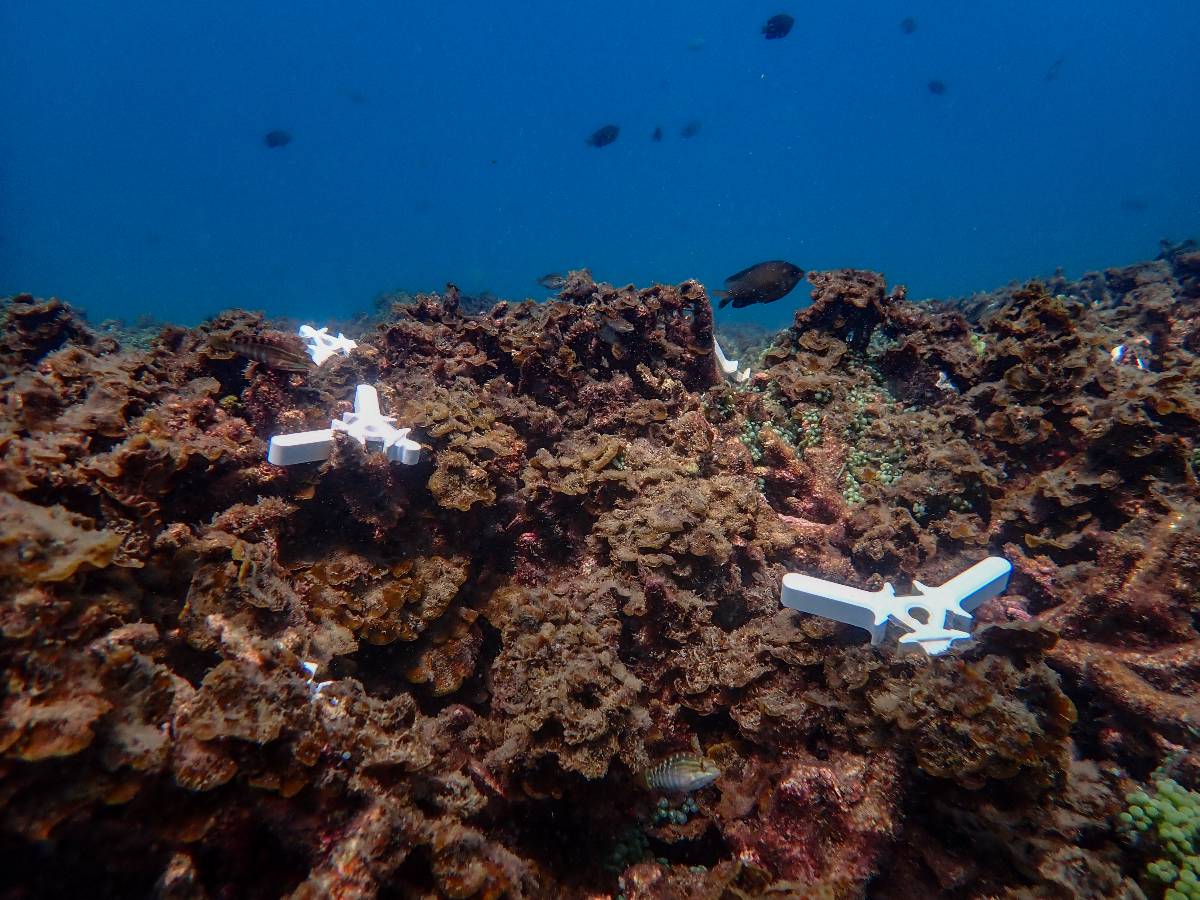 | Image Credit: facebook.com/australianmarinescience | In a major restoration effort, scientists and reef industry operators have successfully transplanted around 40,000 baby corals onto the Great Barrier Reef.
These corals were either grown in land-based facilities or collected from natural spawning events, then settled onto small ceramic “seeding devices” before being placed back onto the reef.
It’s part of a large-scale, multi-year program aimed at figuring out how to restore damaged reef systems faster and more effectively. The goal isn’t to replace nature, but to give it a boost by helping stronger, more resilient corals survive and reproduce.
While efforts like this won’t solve the root causes of reef decline, they offer a promising way to support recovery and buy time for one of the world’s most important marine ecosystems. Read More | DEEP Picks Florida Keys for First Underwater Habitat | 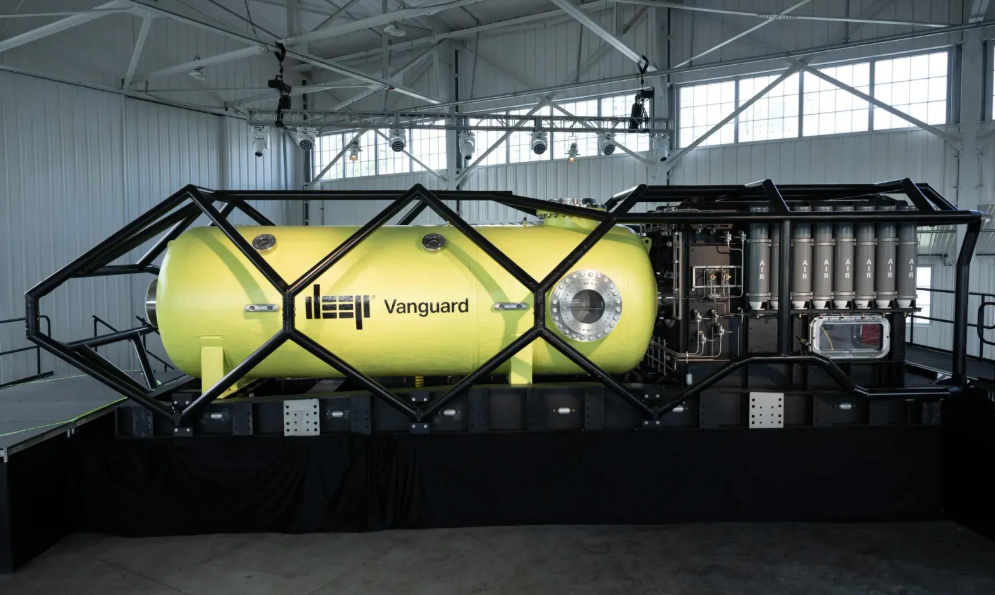 | | | We’ve talked about DEEP before and their goal of putting humans back on the seafloor. Now they’ve locked in their first real-world location.
The company just selected Tennessee Reef in the Florida Keys National Marine Sanctuary as the deployment site for their subsea habitat, Vanguard. If all goes to plan, installation will happen later this Spring and it will be the first underwater human habitat deployed in the U.S. in over 40 years.
Vanguard is designed to support up to four aquanauts living and working underwater for days at a time, allowing for continuous research, monitoring, and conservation work instead of short dives. The site itself is a controlled-access area with healthy reef systems nearby, plus deeper water for research.
Still early days, but this is a pretty big step from concept to reality. If it works, it could change how we study and interact with the ocean.
We’ll keep an eye on this one. | Who Knew Anemones Needed Naps? | 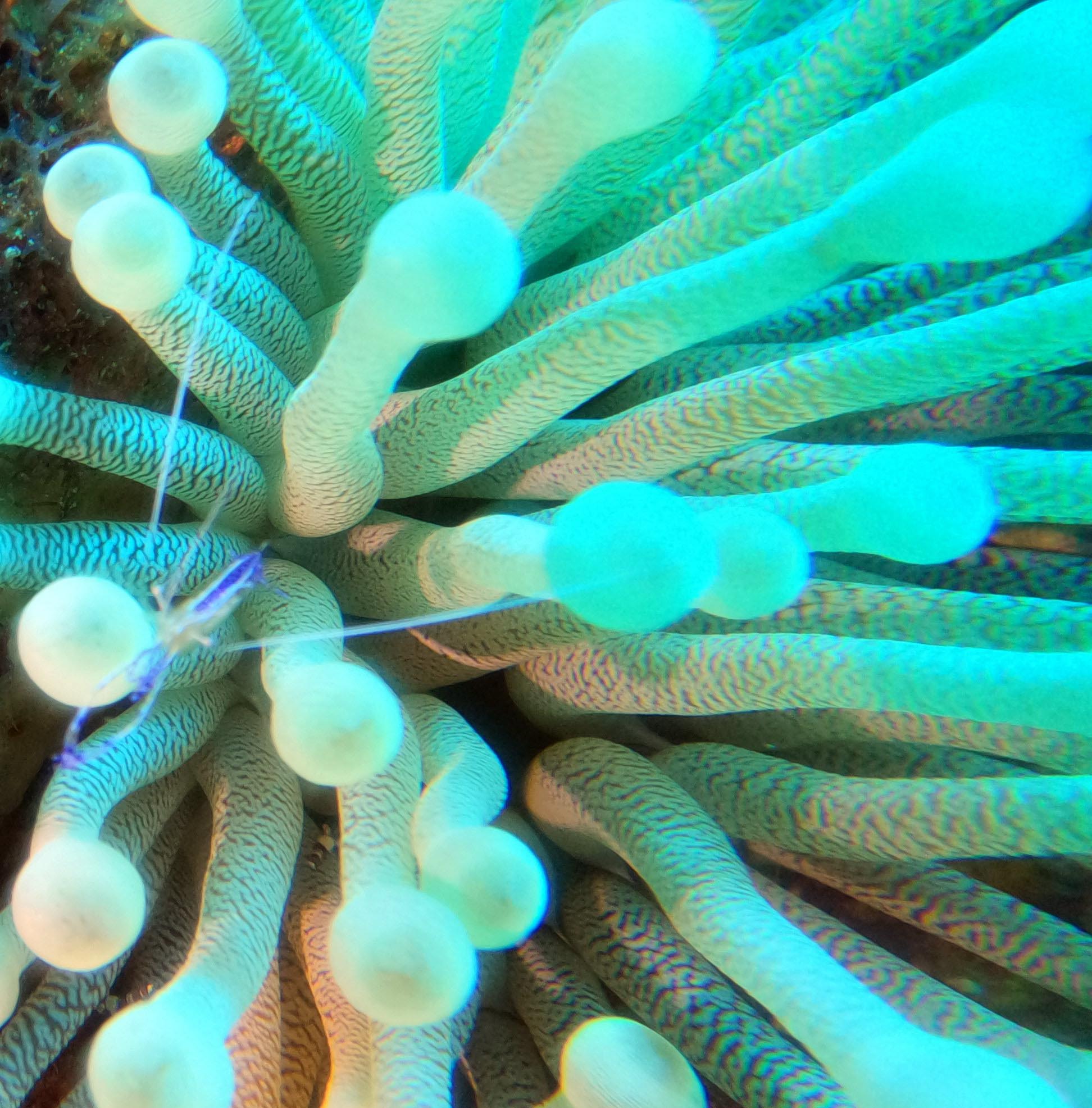 | Image credit: thescubadirectory.com | File this under things I did not expect to learn this month.
Scientists have found that jellyfish and sea anemones actually “sleep”… and even take naps. Not only that, they clock in at around eight hours of sleep over a 24-hour period, which is basically the same as humans (who don’t have young kids).
Some jellyfish take short midday naps, while others stick to a more typical night schedule. Meanwhile, sea anemones do most of their sleeping during the day.
Even weirder, when researchers stressed them out (by causing DNA damage), they slept more, suggesting sleep is doing some kind of repair work… just like it does for us.
Kind of makes your afternoon nap feel a bit more justified. | Planning a dive trip? | PRO gives you monthly dive briefs, planning tools, and insights to help you plan better dive trips.
👉 Get the full Dive Brief → | | | Thanks for reading! If you have any comments or suggestions for this newsletter please contact us at admin@thescubadirectory.com. Happy Diving, Logan Brown | | |  | |
|  | |
| |
|---|
|
|
|
|
|
|
|---|
|
| |  |
|
|
|
|
|
|---|
|
|
|