Welcome to the June 2026 edition of TheScubaDirectory newsletter, where we explore the incredible world beneath the surface of the ocean.
In this month's edition: - Bonaire vs Curaçao: Which Island Is Better for You?
- June Dive Brief
- Teen Builds Robot Turtle to Monitor Reef Health
- Can Concrete Help Bring Coral Reefs Back?
|
|
|
|---|
|
New on TheScubaDirectory Blog | Bonaire vs Curaçao: Which Island Is Better for You? | 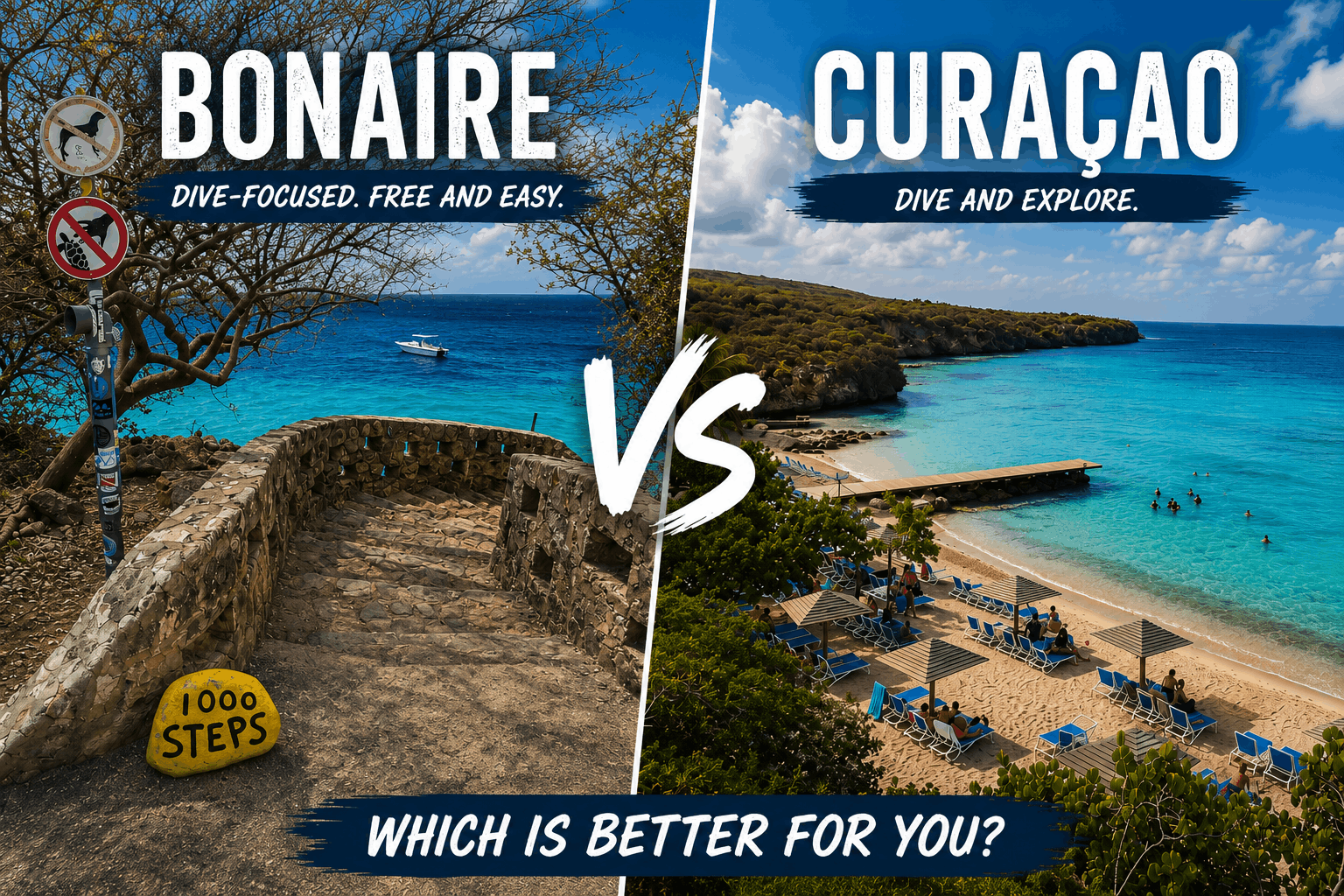 | Both Bonaire and Curaçao offer excellent Caribbean diving, but they deliver very different experiences underwater and above the surface.
Bonaire is known for shore diving freedom and dive-focused trips, while Curaçao brings a broader vacation feel with beaches, restaurants, and more variety outside the water.
Thinking about one of these destinations for your next dive trip? We break down shore diving, boat diving, marine life, trip style, and who each island is best suited for.
Read the full comparison → | June Dive Brief (Preview) | June marks the start of prime diving season across much of the Northern Hemisphere. Water temperatures rise, visibility stays strong, and some destinations are entering their best conditions of the year.
Best bets right now: - Indonesia (Komodo / Bali): some of the year's strongest diving conditions
- Red Sea (Egypt): warm water, excellent visibility, and prime season begins
- Hawaii (Big Island / Kauai): calmer summer seas improve conditions
Want the full June Dive Brief, including where to avoid, timing insights, and planning tips? Get the full June Dive Brief → | Industry News | Teen Builds Robot Turtle to Monitor Reef Health | 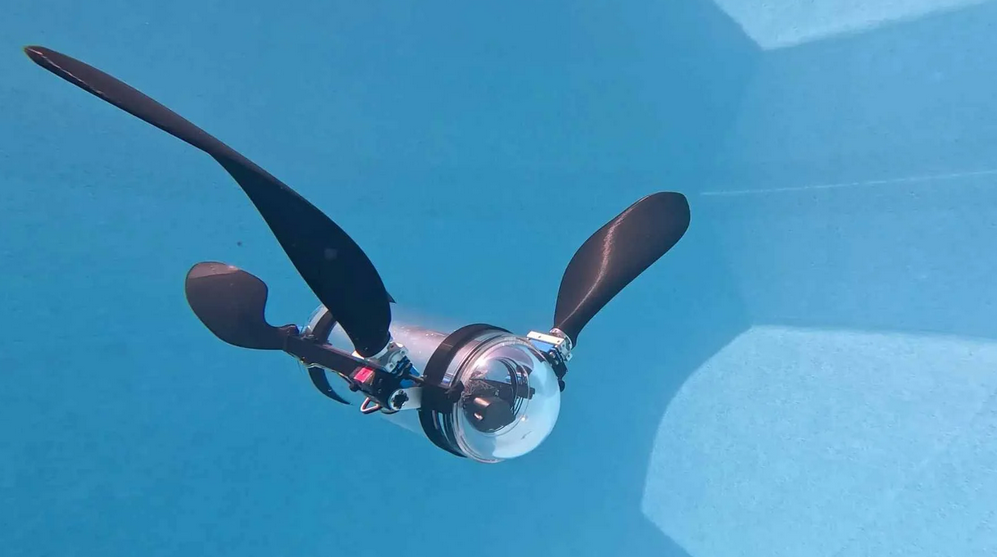 | | | Most underwater drones rely on noisy propellers that can disturb fragile marine environments. Fifteen-year-old Canadian student Evan Budz had a different idea: build a robot that swims like a turtle.
His invention, BURT (Bionic Underwater Robotic Turtle), uses onboard sensors and AI to identify coral bleaching, invasive species, and microplastics while quietly moving through sensitive underwater habitats. During testing, BURT identified signs of coral bleaching with an impressive 96% accuracy.
BURT has already earned major recognition in the science world, attracting attention for its potential to support marine conservation. A remarkable achievement from a young innovator inspired to help protect our oceans.
Way to go, Evan! 👏🐢
Watch BURT in action → | Can Concrete Help Bring Coral Reefs Back? | 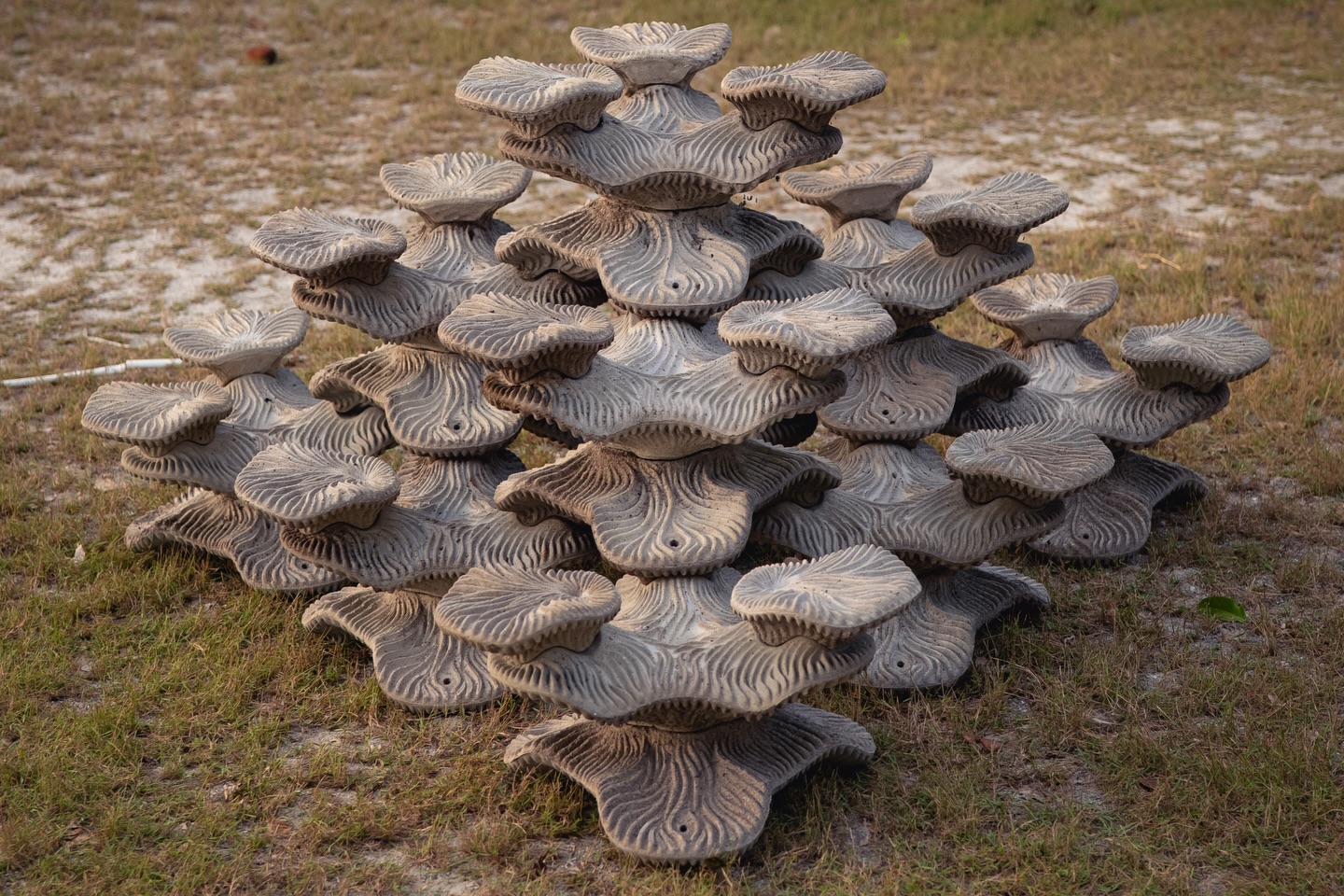 | Image credit: facebook.com/tracc.borneo | Coral reefs damaged by blast fishing and climate change can take decades to recover. Near Pom Pom Island in Malaysia, restoration teams are testing specially designed concrete reef structures built to help coral regrow and marine life return.
The reef-building molds create surfaces and shelter where corals can attach and fish can return. Scientists and conservation teams hope projects like these could help restore fragile underwater ecosystems that divers know and love.
While no solution can replace protecting healthy reefs in the first place, restoration efforts like this offer hope for damaged reefs around the world. Read More→ | Planning a dive trip? | PRO gives you monthly dive briefs, planning tools, and insights to help you plan better dive trips.
👉 Get the full Dive Brief → | | | Thanks for reading! If you have any comments or suggestions for this newsletter please contact us at admin@thescubadirectory.com. Happy Diving, Logan Brown | | |  | |
|  | |
| |
|---|
|
|
|
|
|
|
|---|
|
| |  |
|
|
|
|
|
|---|
|
|
|