Welcome to the September 2026 edition of TheScubaDirectory newsletter, where we explore the incredible world beneath the surface of the ocean.
In this month's edition: - Introducing TheScubaDirectory PRO
- September Dive Brief
- New Fish Species Named After Sesame Street Character
- 20 Endangered Sunflower Sea Stars Released in Washington
|
|
|
|---|
|
Introducing TheScubaDirectory PRO | Plan your dive trip from start to finish.
PRO helps you plan smarter and get more from your next dive trip. Know when to go, understand your destination, organize the details, and get more from your underwater photos and videos. |  | | | September Dive Brief (Preview) | September brings a seasonal shift in dive conditions, with some destinations staying in prime season while others become more weather-dependent.
Best bets right now: - Galápagos: cooler, nutrient-rich waters bring excellent pelagic encounters
- Fiji: dry-season conditions continue with excellent visibility
- Mediterranean (Malta / Cyprus): warm water continues as summer crowds begin easing
Want the full September Dive Brief, including the best destinations right now, seasonal shifts, and timing insights?
Get the full September Dive Brief → | Industry News | New Fish Species Named After Sesame Street Character | 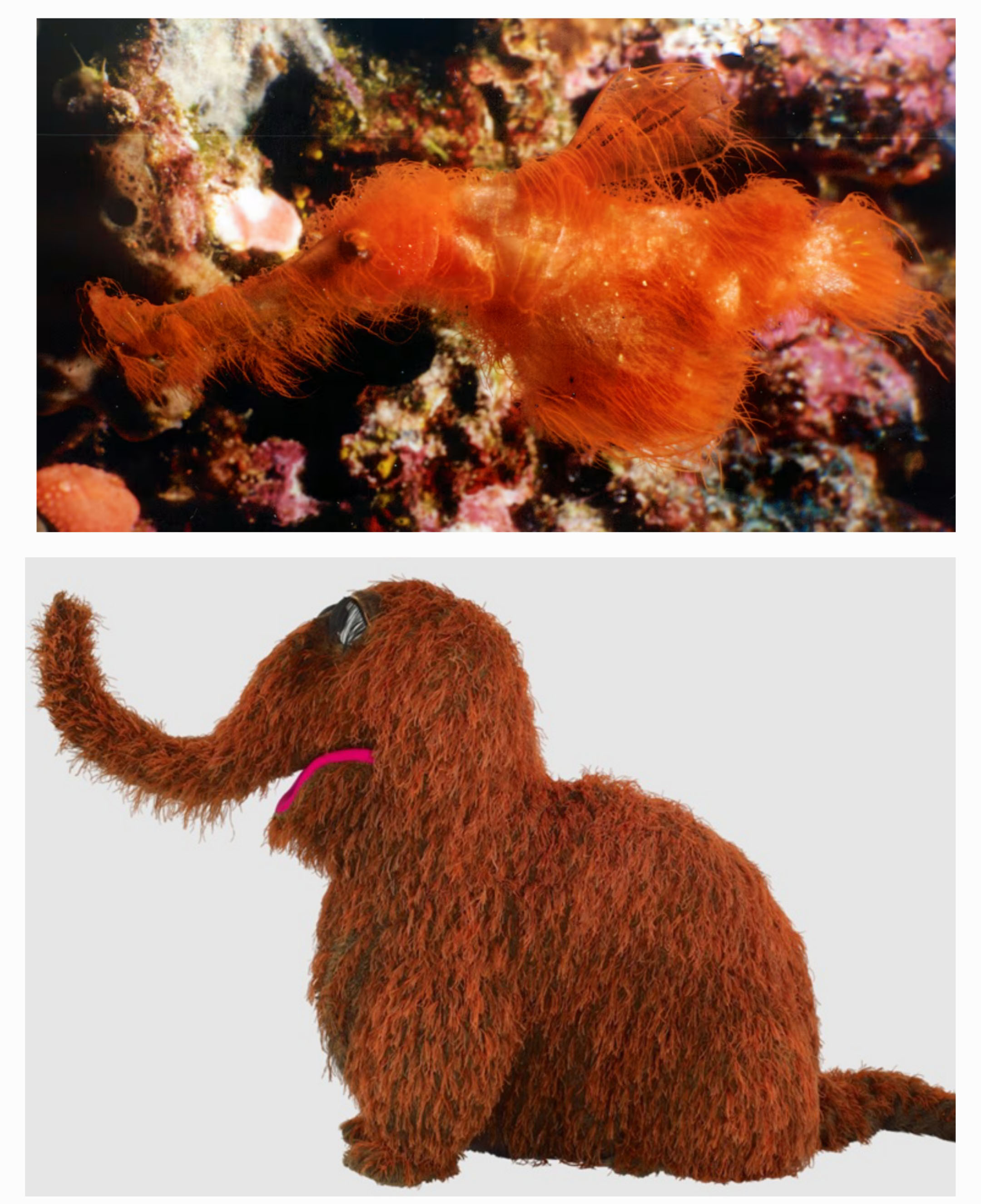 | Image credit: David Harasti | A newly identified species of hairy ghost pipefish has been given a memorable name: Solenostomus snuffleupagus (say that 10 times fast).
First spotted more than 20 years ago, the unusual fish was eventually confirmed as a new species after researchers found a male-female pair on the Great Barrier Reef. Its long snout and shaggy appearance inspired researchers to name it after Mr. Snuffleupagus from Sesame Street. Read the full story → | 20 Endangered Sunflower Sea Stars Released in Washington | 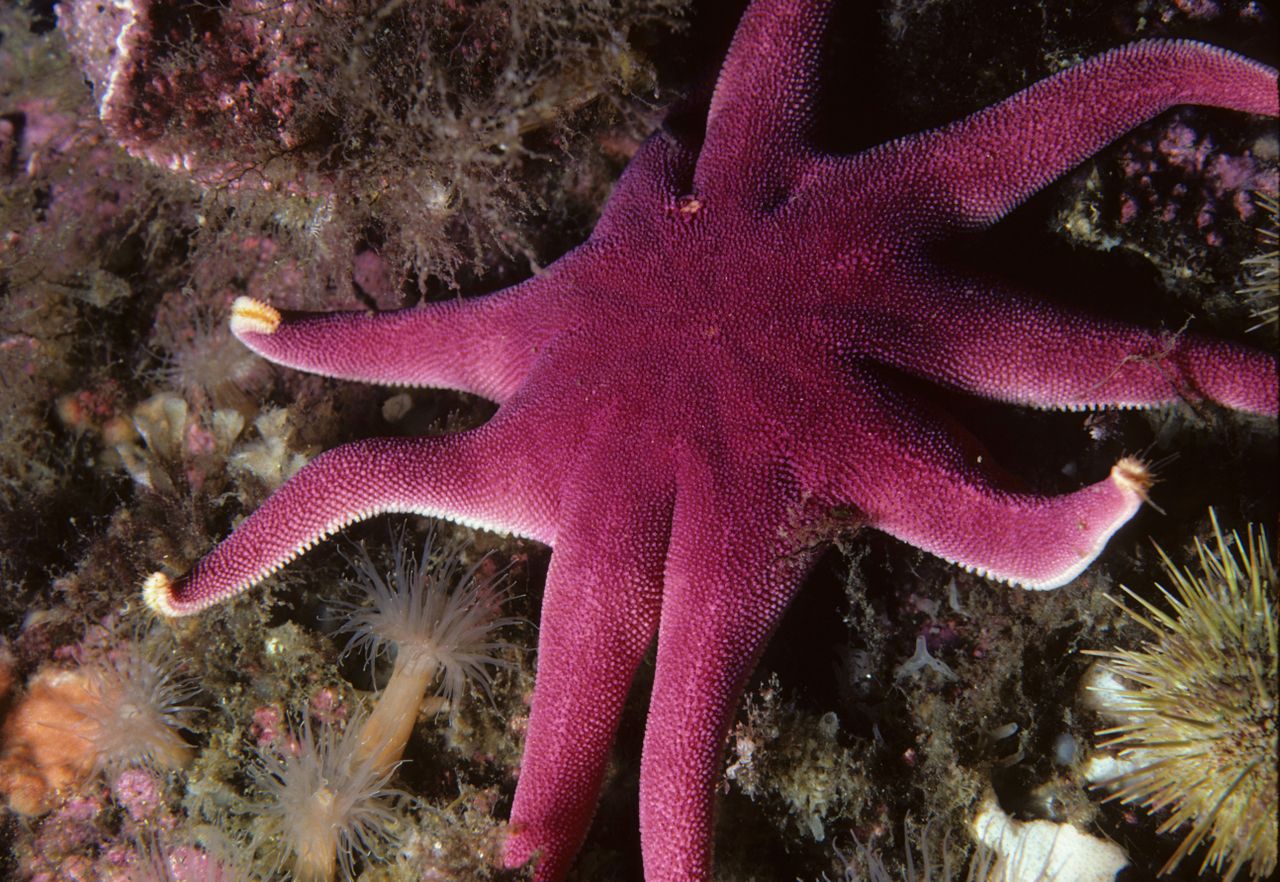 | Image credit: Derek Keats on Pixels.com | Twenty endangered sunflower sea stars raised at the University of Washington's Friday Harbor Laboratories have been released off Washington's Decatur Island as part of an effort to restore a species devastated by sea-star wasting disease.
The 24-armed predators are an important part of the ecosystem, feeding on sea urchins that can overgraze kelp forests. The release, carried out with the Samish Indian Nation, is a pilot project researchers hope will help both sunflower sea stars and the kelp forests they help protect. Read the full story → | Planning a dive trip? | PRO gives you monthly dive briefs, planning tools, and insights to help you plan better dive trips.
👉 Get the full Dive Brief → | | | Thanks for reading! If you have any comments or suggestions for this newsletter please contact us at admin@thescubadirectory.com. Happy Diving, Logan Brown | | |  | |
|  | |
| |
|---|
|
|
|
|
|
|
|---|
|
| |  |
|
|
|
|
|
|---|
|
|
|